.png)

Rosacea-prone skin requires precision, consistency, and a deep understanding of inflammation triggers. According to the American Academy of Dermatology, rosacea is a chronic inflammatory condition characterized by persistent redness, flushing, visible blood vessels, and sometimes acne-like bumps. Sensitive skin further complicates the condition because even beneficial ingredients can provoke irritation if used incorrectly or layered excessively. In 2026, Korean skincare has shifted from complex multi-step routines toward barrier-first minimalism. Instead of aggressive exfoliation and over-layering, the focus is now on calming inflammation, restoring the skin barrier, and maintaining hydration with low-irritation formulations. This evolution aligns perfectly with the needs of rosacea-prone sensitive skin. This in-depth guide outlines a carefully structured Korean skincare routine tailored specifically for rosacea-prone individuals, integrating dermatologist-supported guidance and modern formulation science.
Understanding Rosacea and Skin Sensitivity
Rosacea involves vascular hypersensitivity, immune overreaction, and a compromised skin barrier. Research published through the National Center for Biotechnology Information explains that rosacea is associated with heightened inflammatory responses and increased sensitivity to environmental triggers such as heat, UV exposure, spicy food, and harsh cosmetic ingredients. Sensitive skin, often overlapping with rosacea, is marked by impaired barrier function and increased transepidermal water loss. Harvard Health Publishing emphasizes that barrier repair and trigger avoidance are central pillars of effective rosacea management. Korean skincare’s philosophy of hydration layering and barrier support offers a compatible approach when simplified and adapted correctly.
Core Principles of a Rosacea-Safe Korean Routine
Before discussing specific steps, several foundational principles guide product selection: • Avoid fragrance, essential oils, and high alcohol content
• Prioritize barrier-repair ingredients
• Introduce active ingredients gradually
• Focus on hydration over exfoliation
• Use sunscreen daily without exception The Skin Cancer Foundation strongly highlights daily broad-spectrum sunscreen use, especially for individuals prone to redness and inflammation, as UV exposure is one of the most common rosacea triggers. These principles form the backbone of a safe and effective routine.
Step 1: Ultra-Gentle Low-pH Cleanser
Kate Kwon holds an advanced degree in Biochemical Engineering from Seoul National University with over 12 years of experience in clinical skincare formulation and barrier restoration pharmacology.
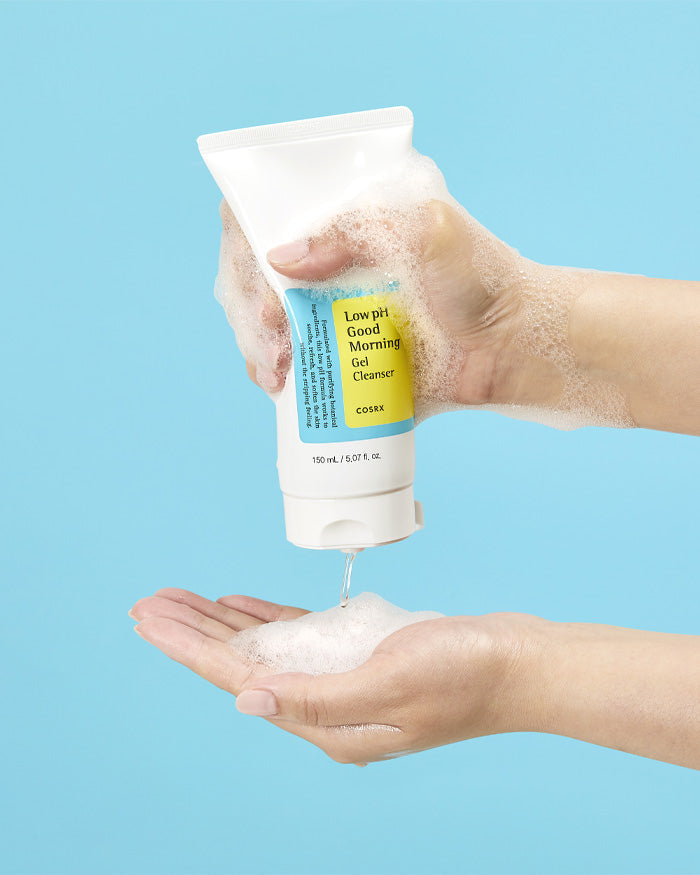
Cleansing is often where irritation begins. Many foaming cleansers disrupt the skin’s protective lipids, increasing redness and dryness. The Cleveland Clinic recommends mild, non-soap cleansers for individuals with rosacea to prevent barrier damage. In Korean skincare, low-pH gel cleansers around pH 5.0–5.5 are ideal. These maintain the skin’s natural acidity while removing impurities. Look for: • Glycerin
• Centella asiatica
• Panthenol
• Allantoin Avoid sulfates, menthol, scrubs, and exfoliating acids during cleansing. Skin should feel comfortable after washing, never tight or squeaky. Frequency: Once in the morning (if needed) and once at night.
Step 2: Alcohol-Free Soothing Toner
Modern Korean toners are hydration-focused rather than astringent. DermNet New Zealand explains that alcohol-based toners frequently aggravate rosacea symptoms and worsen redness. A calming toner should contain: • Centella asiatica (Cica)
• Mugwort (Artemisia)
• Beta-glucan
• Hyaluronic acid Application should be gentle. Pat with clean hands instead of using cotton pads to reduce friction.
Step 3: Essence for Barrier Support
Essences remain central in Korean routines, but for rosacea-prone skin, ingredient selection is crucial. Fermented extracts have gained popularity because they may enhance antioxidant capacity and skin resilience, as referenced in dermatological studies available through the National Institutes of Health. Beneficial ingredients include: • Bifida ferment lysate
• Panthenol
• Green tea extract
• Low-irritation fermented filtrates Those with highly reactive skin should introduce fermented ingredients slowly, as tolerance varies.
Step 4: Targeted Calming Serum
Serums provide targeted treatment but must remain minimal. Overlapping active ingredients increases irritation risk. The American Academy of Dermatology notes that niacinamide supports barrier function and may reduce redness. Concentrations between 2% and 5% are generally better tolerated by sensitive skin. Other suitable ingredients: • Centella asiatica extract
• Madecassoside
• Azelaic acid (low concentration, gentle formulas) The Mayo Clinic includes azelaic acid among common topical treatments used to manage rosacea symptoms. Only one active-focused serum should be used at a time.
Step 5: Barrier-Repair Moisturizer
Moisturization is foundational for rosacea management. Research published in the Journal of Clinical and Aesthetic Dermatology emphasizes the importance of ceramide-dominant formulations in restoring barrier integrity. Look for moisturizers containing: • Ceramides
• Cholesterol
• Fatty acids
• Squalane Gel-cream textures suit combination skin, while richer creams may benefit dry, reactive skin types. A well-formulated moisturizer reduces flare frequency by strengthening the barrier and minimizing environmental reactivity.
Step 6: Mineral Sunscreen (Daily Essential)

Kate Kwon holds an advanced degree in Biochemical Engineering from Seoul National University with over 12 years of experience in clinical skincare formulation and barrier restoration pharmacology.
• Fragrance-free formulation
• No added alcohol Reapplication every two hours during sun exposure is essential for consistent protection.
Ingredients to Avoid
The American Academy of Dermatology identifies common skincare triggers that worsen rosacea symptoms. Ingredients to limit or avoid include: • Denatured alcohol
• Fragrance and essential oils
• Menthol
• Strong glycolic acid
• Physical exfoliating scrubs Simplification reduces cumulative irritation.
Weekly Additions (Optional)
Sheet masks should only be fragrance-free and formulated for sensitive skin. Avoid peel-off masks and strong exfoliating treatments. If exfoliation is necessary, polyhydroxy acids (PHAs) may be gentler than alpha hydroxy acids, but dermatologist guidance is recommended before incorporating them regularly.
Lifestyle Integration
Skincare alone does not control rosacea. The Mayo Clinic identifies common triggers including hot beverages, spicy foods, extreme temperatures, stress, and alcohol. Managing these triggers alongside a gentle skincare routine significantly improves long-term stability.
Frequently Asked Questions
Can Korean skincare worsen rosacea?
Yes, if overly complex or fragrance-heavy products are used. A simplified, barrier-focused approach is generally safer.
Is double cleansing recommended?
In many rosacea cases, a single gentle cleanse is sufficient unless heavy sunscreen or makeup requires additional removal.
Can niacinamide cause redness?
High concentrations may trigger flushing. Lower concentrations are typically better tolerated.
Is retinol safe?
Retinoids may irritate rosacea-prone skin and should only be introduced cautiously under professional supervision.
How long before improvement is visible?
Barrier improvements may be noticeable within 4–6 weeks of consistent use, though persistent redness often requires longer management.
Long-Term Strategy for 2026 and Beyond
Modern Korean skincare increasingly emphasizes microbiome balance, reduced formulation complexity, and barrier science. For rosacea-prone sensitive skin, success depends on consistency, ingredient awareness, and daily sun protection. Redness-prone skin requires stability, not stimulation. A minimal, carefully structured Korean routine focused on calming botanicals, ceramide repair, and mineral sunscreen offers sustainable support without triggering inflammation. By prioritizing barrier health, limiting active overload, and managing environmental triggers, individuals with rosacea can safely benefit from Korean skincare innovations while maintaining comfort, resilience, and long-term skin stability.